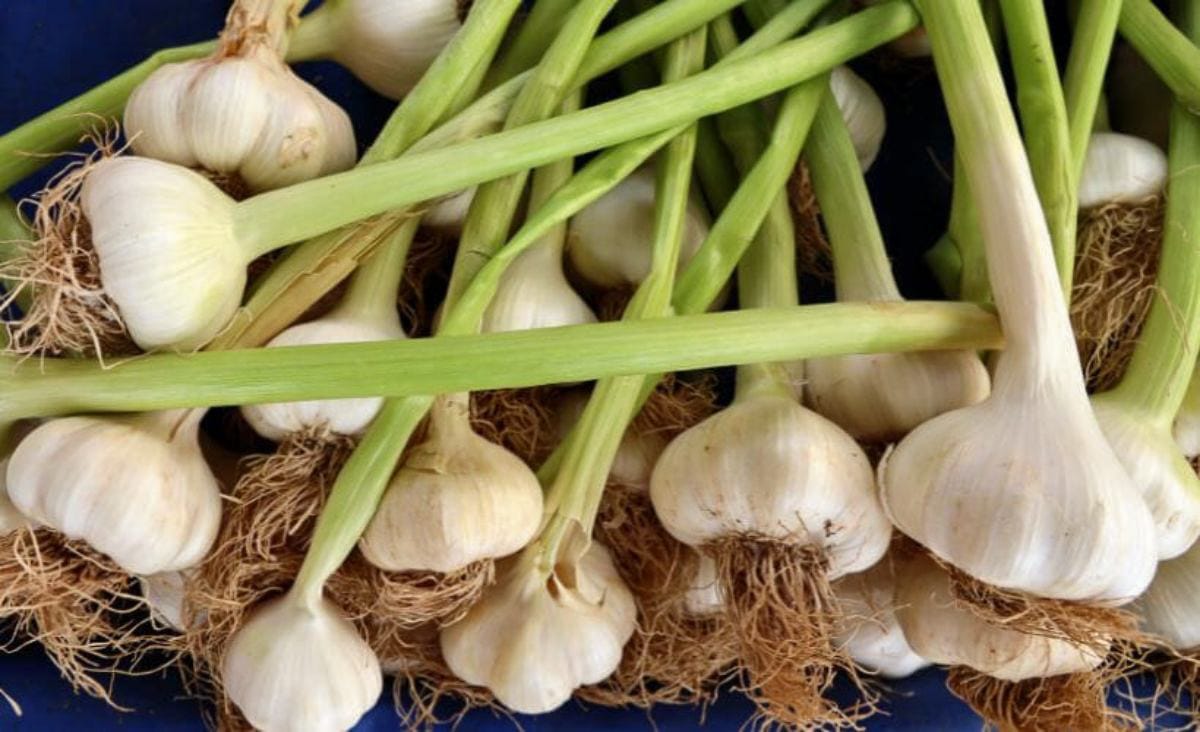
Garlic, with its distinctive pungent aroma and savory flavor, is a foundational ingredient in countless cuisines worldwide. Whether you're a home gardener with a bountiful harvest, a smart shopper stocking up on bulk deals, or simply someone who cooks frequently, knowing how to store garlic for a long time is an invaluable skill. While tossing a bulb into the fridge might seem like the easiest solution, true long-term preservation requires a more strategic approach. Moving beyond conventional wisdom, we'll explore smart, practical methods to keep your garlic fresh, flavorful, and ready for action for weeks, months, or even years.
The Foundation: Storing Whole Garlic Bulbs for Months
The simplest and often most effective method for extending garlic's shelf life begins with proper care for whole, unpeeled bulbs. Think of the bulb as its own natural container, protecting individual cloves from light, air, and moisture. As soon as you break a clove away from the head, its protective layers are compromised, and the clock starts ticking much faster.
The golden rule for whole garlic storage is to find a cool, dark, and well-ventilated space. Garlic, like its allium cousins (onions, leeks), thrives in these conditions because they prevent sprouting and deter mold growth. Ideal temperatures hover around 60-65°F (15-18°C), though stable room temperature in a suitable location is often perfectly adequate.
- Cool & Dark: A pantry, a basement, or a dark cupboard away from heat-generating appliances (like ovens or dishwashers) are excellent choices. Direct sunlight or bright ambient light can encourage sprouting.
- Ventilation: Air circulation is crucial to prevent moisture buildup, which is a breeding ground for mold. Avoid storing garlic in airtight containers or plastic bags. Instead, opt for mesh bags, paper bags with holes, or even an open basket.
- Traditional Wisdom: If you're lucky enough to source garlic with long, soft stalks still attached, consider braiding them together. This traditional method not only looks charming hung in a kitchen but also provides excellent air circulation, allowing bulbs to last for months. Another ingenious trick for controlled humidity is to store garlic in a turned-over unglazed clay flowerpot in a cupboard. The porous clay allows air to circulate while offering a dark, somewhat stable environment.
By following these simple guidelines, a fresh, whole head of garlic can easily remain viable for several months, ensuring you always have this essential ingredient on hand. For even more detailed guidance on maximizing freshness, refer to Your Ultimate Guide to Storing Garlic for Maximum Freshness.
Beyond the Bulb: Preserving Peeled and Processed Garlic
While whole bulbs are ideal for long-term passive storage, sometimes you need to peel a large quantity, or you simply want the convenience of pre-prepped garlic. For these situations, active preservation methods come into play, offering solutions that extend shelf life well beyond a few days.
Short-Term Storage for Peeled Cloves
If you've peeled more garlic than you immediately need, don't despair. Place the peeled cloves in an airtight container or a resealable bag, squeezing out as much air as possible. Store them in the crisper drawer of your refrigerator. While not ideal for weeks, this method will keep them fresh and usable for about 5-7 days. Remember, the colder, moister environment of the fridge can still trigger sprouting or mold if stored for too long, so aim to use them promptly.
Transformative Methods for Extended Shelf Life
For truly long-term solutions, processing your garlic is the way to go. These methods lock in flavor and provide incredible convenience.
- Freezing Garlic: A Convenient Powerhouse
Freezing is a fantastic option for preserving both whole cloves and pre-minced garlic. It's quick, easy, and maintains much of garlic's pungent flavor, although the texture might soften slightly upon thawing.
- Whole Cloves: Simply peel individual cloves and spread them in a single layer on a baking sheet to freeze solid. Once frozen, transfer them to an airtight freezer bag or container. You can then pull out individual cloves as needed, grating them from frozen or thawing quickly.
- Minced or Pureed Garlic: Process garlic cloves in a food processor with a little oil (just enough to create a paste and prevent freezer burn). Spoon the mixture into ice cube trays, freeze, then transfer the garlic cubes to a freezer bag. This creates convenient, pre-portioned garlic for your cooking. You can drop frozen cubes directly into hot pans or soups.
- Roasting & Freezing: A Mellow Delight
Roasted garlic offers a completely different flavor profile – sweet, mellow, and spreadable. It's perfect for dips, spreads, or adding depth to sauces. To prepare, simply slice the top off a whole bulb, drizzle with olive oil, wrap in foil, and roast at 400°F (200°C) until soft (around 30-45 minutes). Once cooled, squeeze out the soft, golden flesh. This roasted garlic can be stored in an airtight container in the fridge for about a week. For longer storage, freeze the roasted garlic puree in ice cube trays or small portions. It will last for several months in the freezer.
- Dehydrating & Garlic Powder: DIY Seasoning
Making your own garlic powder is a rewarding way to preserve garlic for up to 3 years! It's a fantastic way to utilize a large batch. Simply slice peeled cloves thinly (a mandoline works wonders for uniformity) and spread them in a single layer on a baking sheet or dehydrator trays. Bake at a very low temperature (around 150-170°F / 65-75°C) for several hours until completely dry and brittle, or follow your dehydrator's instructions. Once cooled, grind the dried slices into a fine powder using a spice grinder or coffee grinder. Store in an airtight container at room temperature.
- Safely Infusing Oil with Dehydrated Garlic
While often mentioned, creating garlic-infused oil requires careful consideration due to the risk of botulism. Fresh garlic in oil is particularly hazardous at room temperature. However, using completely
dehydrated garlic greatly reduces this risk. To make a flavorful oil, combine your homemade dried garlic slices with a good quality olive oil in a clean, sterilized jar. Let it infuse at room temperature for a day or two for maximum flavor, then store it in the refrigerator and use within a few weeks. Never store garlic-infused oil (especially with fresh garlic) at room temperature for extended periods.
Debunking the Fridge Myth: Why Cold Isn't Always Your Friend
Many instinctively reach for the refrigerator when it comes to storing fresh produce, but for whole garlic bulbs, the fridge is often a less-than-ideal environment. The cold, moist conditions can actually accelerate two undesirable processes:
- Sprouting: Cold temperatures can trick garlic into thinking it's winter, triggering its natural instinct to sprout once it's brought back to warmer temperatures. While sprouted garlic is generally still safe to eat, the sprouts themselves can have a bitter taste, and the overall flavor of the clove can be diminished.
- Mold: High humidity, combined with cold, creates a perfect breeding ground for mold. This is why if you must store whole garlic in the fridge temporarily, the crisper drawer (designed to reduce humidity) is the least bad option, but still not optimal for long-term storage.
For short-term storage of peeled cloves, the fridge is acceptable as mentioned earlier, but for whole bulbs, stick to a cool, dark, ventilated spot to preserve their integrity and prevent premature spoilage.
Troubleshooting & Maximizing Your Garlic's Lifespan
Even with the best storage practices, garlic can sometimes show signs of age. Knowing what to look for and how to react can help you prevent waste.
- Signs of Spoilage: If garlic cloves become soft, mushy, discolored (yellow or brown), or develop green or black mold spots, it's best to discard them. An off-putting, pungent smell different from fresh garlic is another clear indicator.
- Dealing with Sprouts: If your garlic has started to sprout green shoots, it's often still usable. Simply slice the clove in half lengthwise and remove the green sprout, which can be bitter. The rest of the clove should still be flavorful, though it might be slightly softer.
By understanding these nuances and embracing a variety of storage methods, you can significantly extend the life of your garlic, ensuring you always have this kitchen workhorse ready for your culinary adventures. For even more creative ideas and detailed instructions on long-term preservation, check out Store Garlic for Months or Years: Freezing, Roasting & Drying.
Mastering the art of garlic storage means you'll never be without this essential ingredient. From cool pantry methods for whole bulbs to convenient freezing and transformative drying techniques, you have a wealth of options at your disposal. Embrace these smart storage solutions to keep your kitchen well-stocked and your dishes bursting with fresh, potent flavor, ensuring your garlic goes "beyond the fridge" for months of culinary enjoyment.
