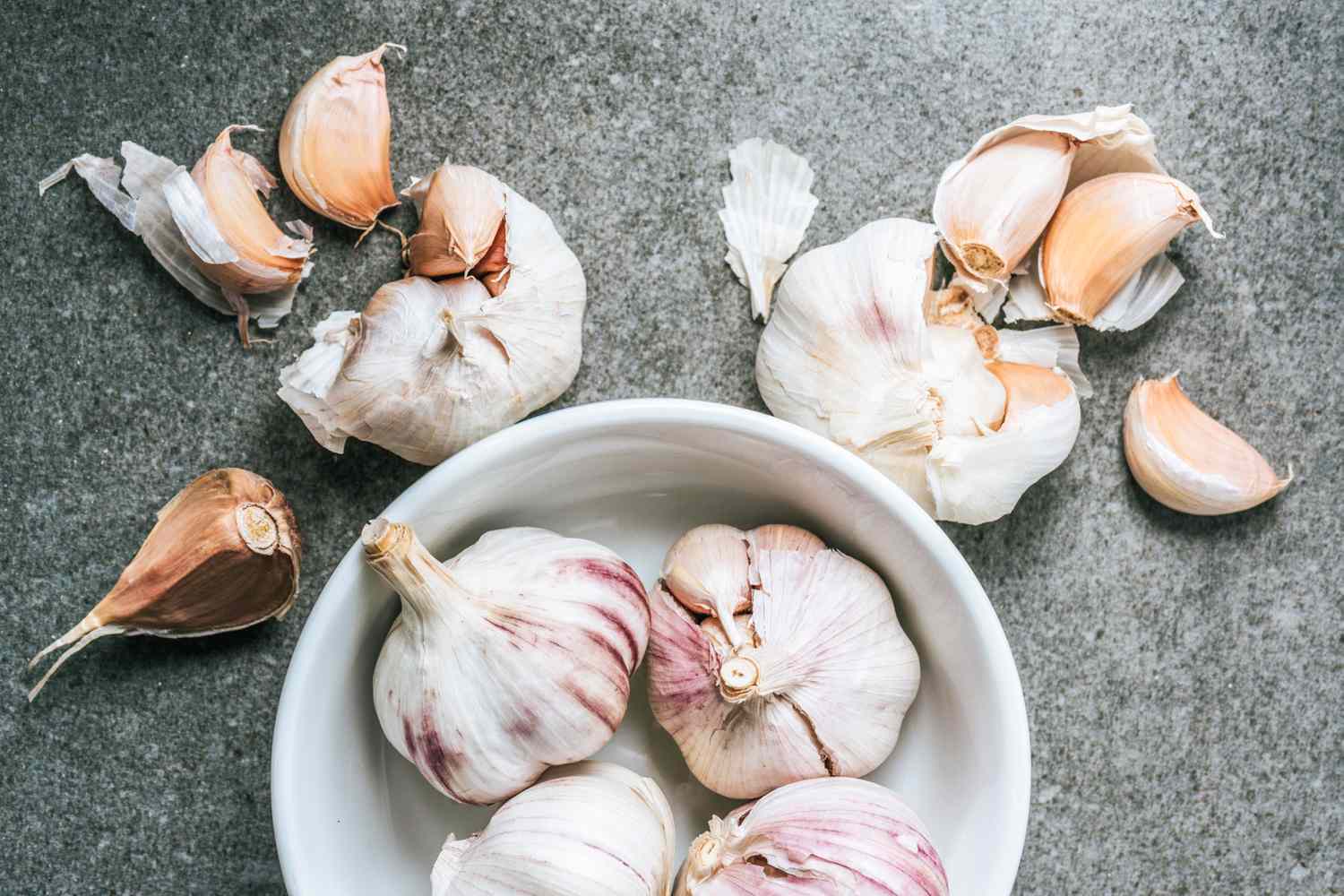
Your Ultimate Guide to Storing Garlic for Maximum Freshness
Garlic, the pungent powerhouse of the allium family, is an indispensable ingredient in countless cuisines worldwide. From aromatic stir-fries to hearty pasta sauces and vibrant marinades, its unique flavor elevates nearly every dish. While it’s easy to buy garlic in bulk – often a cost-effective choice – the real challenge lies in keeping it fresh and flavorful for as long as possible. Nobody wants to reach for a clove only to find it sprouted, shriveled, or moldy. Understanding
how to store garlic for a long time is key to reducing food waste and ensuring you always have this culinary essential on hand. This comprehensive guide will walk you through the best practices, from storing whole bulbs to advanced preservation techniques, ensuring your garlic stays potent and perfect.
The Golden Rules for Storing Whole Garlic Bulbs
The best way to maximize the shelf life of whole, unpeeled garlic bulbs begins with understanding its natural preferences. Think of it as a delicate balance between air circulation, temperature, and light.
The Ideal Environment: Cool, Dark, and Ventilated
Like its cousins onions and leeks, garlic thrives in conditions that mimic a natural root cellar. The absolute golden rule for storing whole, unpeeled garlic bulbs is to keep them in a
cool, dark, and well-ventilated space.
*
Cool: The ideal temperature range is between 60-65°F (15-18°C). While standard room temperature is often acceptable, remember that warmer temperatures can encourage sprouting or drying out more quickly. Extremely warm environments can cause garlic to dehydrate and shrivel.
*
Dark: Direct sunlight or bright artificial light can accelerate sprouting and diminish garlic’s flavor. A dark pantry, cupboard, or basement is perfect.
*
Ventilated: This is crucial! Garlic needs air circulation to prevent moisture buildup, which is a primary culprit for mold and rot. Never store whole garlic in sealed plastic bags or airtight containers. Mesh bags, open baskets, or even just leaving them exposed on a pantry shelf are far better choices.
Practical Storage Solutions for Whole Bulbs
For those looking to get creative or simply optimize their storage, consider these options:
*
Pantry or Cupboard: The most common and effective method. Simply place your garlic bulbs in an open basket, a mesh bag, or even an unglazed clay pot in a dark, cool corner of your pantry. An unglazed clay pot, turned upside down in a cupboard, can act as a natural humidor, allowing air circulation while maintaining a stable, slightly humid environment that garlic loves.
*
Braiding (for long-stemmed garlic): If you’re lucky enough to acquire garlic with its long, soft stalks still attached, braiding them together creates an attractive and highly functional storage solution. Hanging braided garlic in a cool, dark place ensures excellent air circulation and looks beautiful too!
Remember, the moment you break apart a garlic bulb and separate the cloves, its shelf life significantly shortens. A whole, properly stored bulb can easily last for several months – often up to six months or even longer if conditions are optimal.
When to Refrigerate Garlic (and When NOT To)
While refrigeration might seem like a natural choice for preserving food, it's generally *not* the ideal solution for whole, raw garlic bulbs. In fact, it can often do more harm than good.
Why Refrigeration is Not Ideal for Whole Garlic Bulbs
Cold, moist environments are a recipe for disaster for whole garlic. Here's why:
*
Sprouting: The cold temperature in your refrigerator can actually trigger a process called vernalization, signaling the garlic to "think" winter is over and it's time to sprout. While sprouted garlic is still edible, it often develops a bitter taste, especially the green shoot.
*
Mold and Rot: The high humidity in a refrigerator, even in the crisper drawer, creates a perfect breeding ground for mold and mildew. Garlic can quickly turn soft, mushy, and unusable.
*
Texture and Flavor Changes: Prolonged refrigeration can alter garlic's texture, making it rubbery, and can dull its pungent flavor.
When Refrigeration *Is* Appropriate
There are specific instances where the refrigerator becomes your friend for garlic storage:
*
Peeled Fresh Cloves (Short-Term): Once cloves are peeled, their protective skin is gone, and they are much more susceptible to drying out or molding. Store peeled, individual cloves in an airtight container or a small, resealable bag in the refrigerator for up to
7-10 days. For best quality, use them as quickly as possible.
*
Roasted Garlic: Roasted garlic is a culinary dream – sweet, mellow, and spreadable. After roasting, squeeze the soft cloves into an airtight container and refrigerate. It will stay good for about
one week. For longer storage of roasted garlic, consider freezing it (see next section).
*
Homemade Garlic-Infused Oils (with extreme caution): While tempting to store at room temperature, homemade garlic-infused oils pose a serious risk of botulism, a deadly foodborne illness, if not handled and stored correctly. The anaerobic (oxygen-free) environment created when garlic is submerged in oil is ideal for *Clostridium botulinum* to thrive. Therefore, always store homemade garlic-infused oils in the refrigerator and use them within
7 days. For extended safety, consider commercially prepared garlic oils that include acidifying agents.
Advanced Methods: Freezing, Roasting, and Drying for Long-Term Storage
When you have a significant bounty of garlic or want to prepare it for ultimate convenience, several advanced methods allow you to store garlic for months, or even years. For more in-depth exploration of these techniques, check out our article:
Store Garlic for Months or Years: Freezing, Roasting & Drying.
Freezing Garlic: Lock in Freshness for Months
Freezing is an excellent way to preserve garlic’s potent flavor for extended periods, especially when you need a quick addition to your cooking.
*
Peeled Whole Cloves: You can simply peel individual cloves and freeze them whole in a freezer-safe bag or container. They will last for several months. When needed, you can grate them directly from frozen or thaw slightly for slicing.
*
Minced or Pureed Garlic: A highly convenient method is to mince or puree garlic cloves. For easy portioning, mix the minced garlic with a small amount of olive oil (about 1 tablespoon of oil per 1/4 cup of garlic) and spoon it into ice cube trays. Once frozen, pop out the cubes and transfer them to a freezer-safe bag. These garlic cubes are perfect for tossing directly into hot pans. They can last up to
6-12 months in the freezer.
*
Frozen Roasted Garlic: After roasting and refrigerating for up to a week, you can extend the life of roasted garlic by freezing it. Simply spoon the soft roasted garlic flesh into small, airtight containers or ice cube trays and freeze. It will retain its sweet flavor for
up to 6 months.
Roasting Garlic: A Delicious Preservation Method
Roasting transforms garlic into a sweet, mellow, and spreadable treat. It's a fantastic way to process a large quantity of garlic at once.
*
How to Roast: Simply slice off the top quarter of a whole garlic head, drizzle with olive oil, sprinkle with salt and pepper, wrap in foil, and roast at 400°F (200°C) for 30-45 minutes until soft.
*
Storage: As mentioned, roasted garlic lasts about a week in the fridge in an airtight container, and for several months in the freezer. Its versatility makes it ideal for spreading on bread, mashing into potatoes, or stirring into soups and sauces.
Drying Garlic: Homemade Powder and Dehydrated Delights
Drying garlic is perhaps the longest-term preservation method, converting fresh cloves into a versatile ingredient that stores incredibly well.
*
Making Garlic Powder: Slice peeled garlic cloves thinly (about 1/8 inch thick) and spread them in a single layer on a baking sheet or dehydrator trays.
*
Oven Method: Bake at the lowest possible temperature (around 150-175°F / 65-80°C) for several hours, flipping occasionally, until the garlic is completely brittle and dry.
*
Dehydrator Method: Follow your dehydrator's instructions, typically at 125°F (52°C) for 6-12 hours.
Once dried, cool completely, then grind into a powder using a spice grinder or food processor.
*
Storing Garlic Powder: Store homemade garlic powder in an airtight container at room temperature, away from direct light and heat. It can last for
up to 3 years, retaining much of its flavor.
*
Dehydrated Garlic Infused Oil: You can also make a flavored oil with dehydrated garlic. Simply toss a handful of dried garlic slices into a jar and top it off with olive oil. Stored in the refrigerator, this can last for up to a year. *Crucially, for safety, always refrigerate any homemade garlic-infused oils and use them within a week. Never store homemade garlic-infused oils at room temperature due to the risk of botulism.*
Common Mistakes to Avoid
Even with the best intentions, improper storage can quickly turn your precious garlic into a wasted ingredient. Here are a few common pitfalls to steer clear of:
*
Storing in Plastic Bags: This is one of the quickest ways to encourage mold and sprouting due to a lack of air circulation and trapped moisture. Opt for mesh bags or open containers.
*
Leaving in Direct Sunlight: A sunny kitchen windowsill might look quaint, but the warmth and light will cause garlic to sprout rapidly and lose its potency.
*
Refrigerating Whole Raw Bulbs: As discussed, this can lead to sprouting, mold, and a decline in flavor and texture.
*
Storing Peeled Cloves for Too Long: While peeled cloves can be refrigerated for a short period, don't leave them indefinitely. They will dry out, lose flavor, or even develop mold after about a week.
*
Ignoring Signs of Spoilage: If garlic feels soft, squishy, or slimy, has visible mold (especially black spots), or emits a strong, unpleasant odor, it's best to discard it. A little sprouting is usually harmless, but if the cloves are entirely green or shriveled, their quality will be greatly diminished.
Conclusion
Mastering
how to store garlic for a long time is an essential skill for any home cook. By understanding the optimal conditions for whole bulbs – cool, dark, and ventilated spaces – and knowing when to employ advanced techniques like freezing, roasting, or drying for processed garlic, you can significantly extend its shelf life. This not only ensures you always have fresh, flavorful garlic ready for your culinary creations but also helps reduce food waste, saving you money in the long run. Embrace these tips, and your kitchen will always be ready for the savory magic that only garlic can provide. For even more inventive storage ideas, explore
Beyond the Fridge: Smart Ways to Store Garlic for Months.